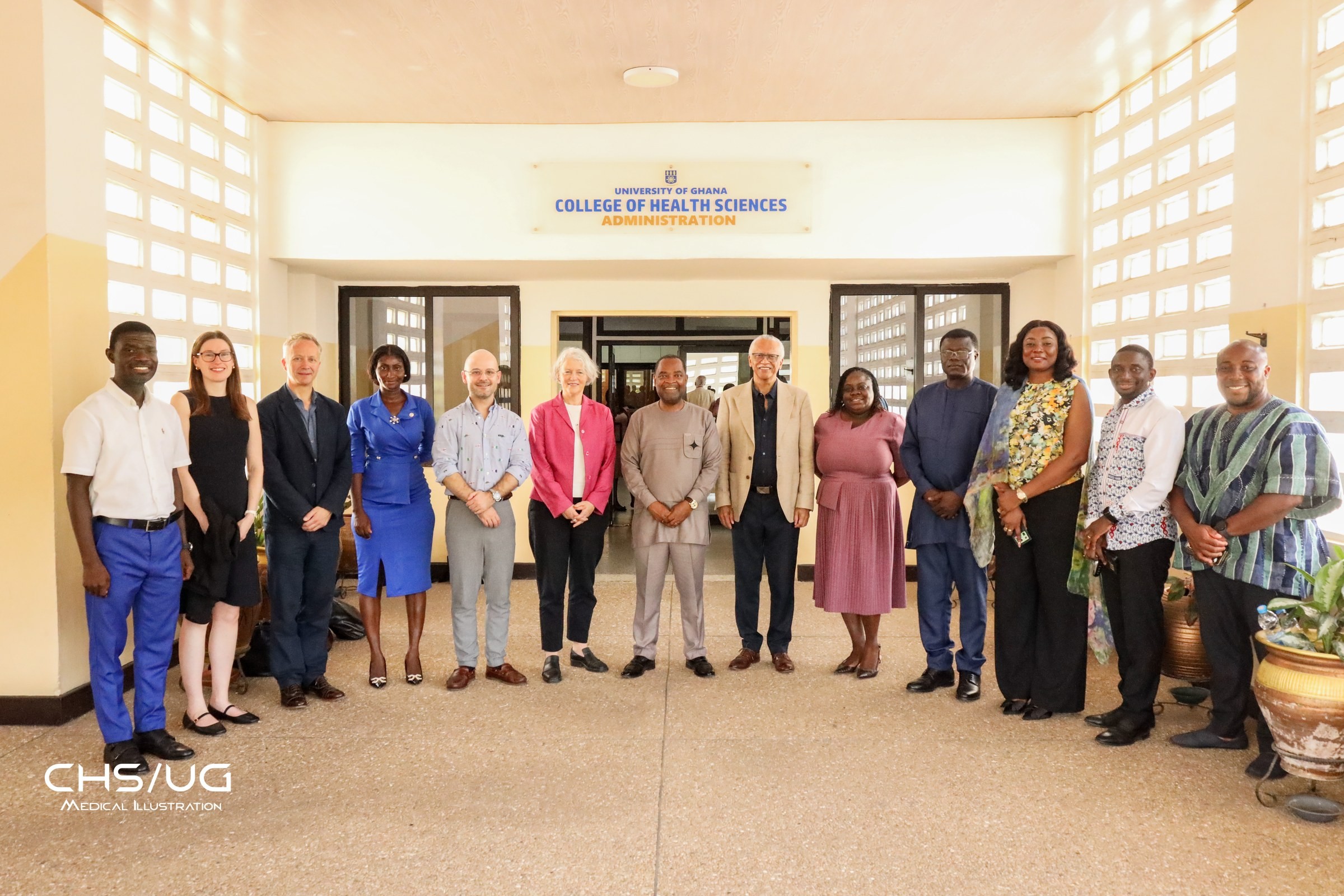
A delegation of senior leaders from Wellcome visited the Department of Psychiatry at Korle Bu, Accra, on 17 November to gain a deeper understanding of Ghana's mental health system, the pathways by which patients reach specialist care, and the development of research capacity among mental health professionals.
The delegation, which included Wellcome's executive directors for solutions and for equity, Prof Charlotte Watts and Dr Jimmy Volmink, together with Dr Diogo Martins, Jonathan Underwood and Dr Katherine Davis, was received by the department's two heads, Dr Dzifa Abra Attah of the University of Ghana Medical School and Dr Delali Fiagbe of Korle Bu Teaching Hospital.
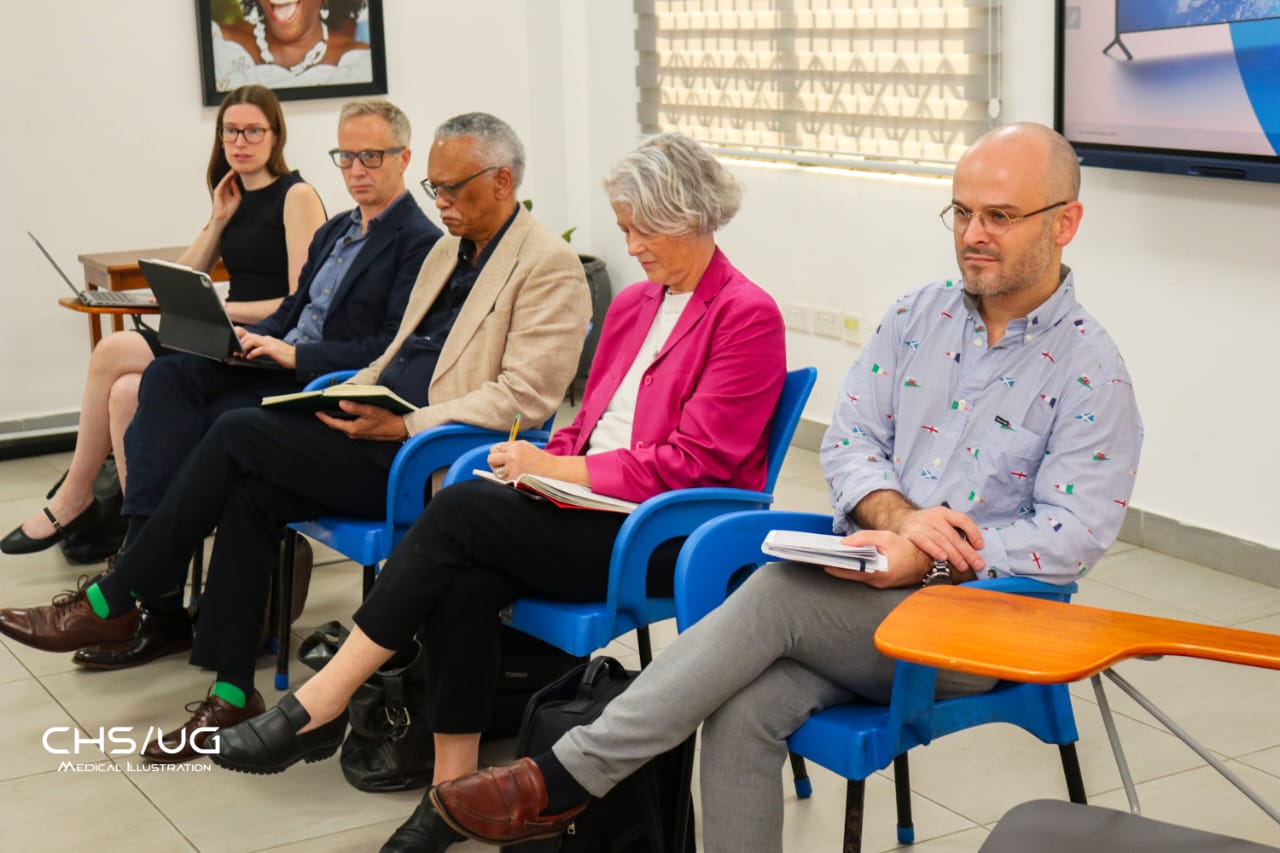
They were joined by colleagues from both institutions: Prof Sammy Ohene, Dr Seth Asafo, Dr Beatrice Dwumfour Williams and Dr. Eric N.Y. Nyarko (College IPO Office, and Department of Chemical Pathology) of the medical school, and the Korle Bu unit heads Victoria Koranteng (nursing), Francis Yeboah (community psychiatry), Cynthia Kweki Nartey (outpatients), Dr Stella Nartey (psychology), Dr Winnifred Twum (medical staff), Charles Kwakye Osei (Addictive Diseases Unit) and Makafui Nyagblordzro (pharmacy).
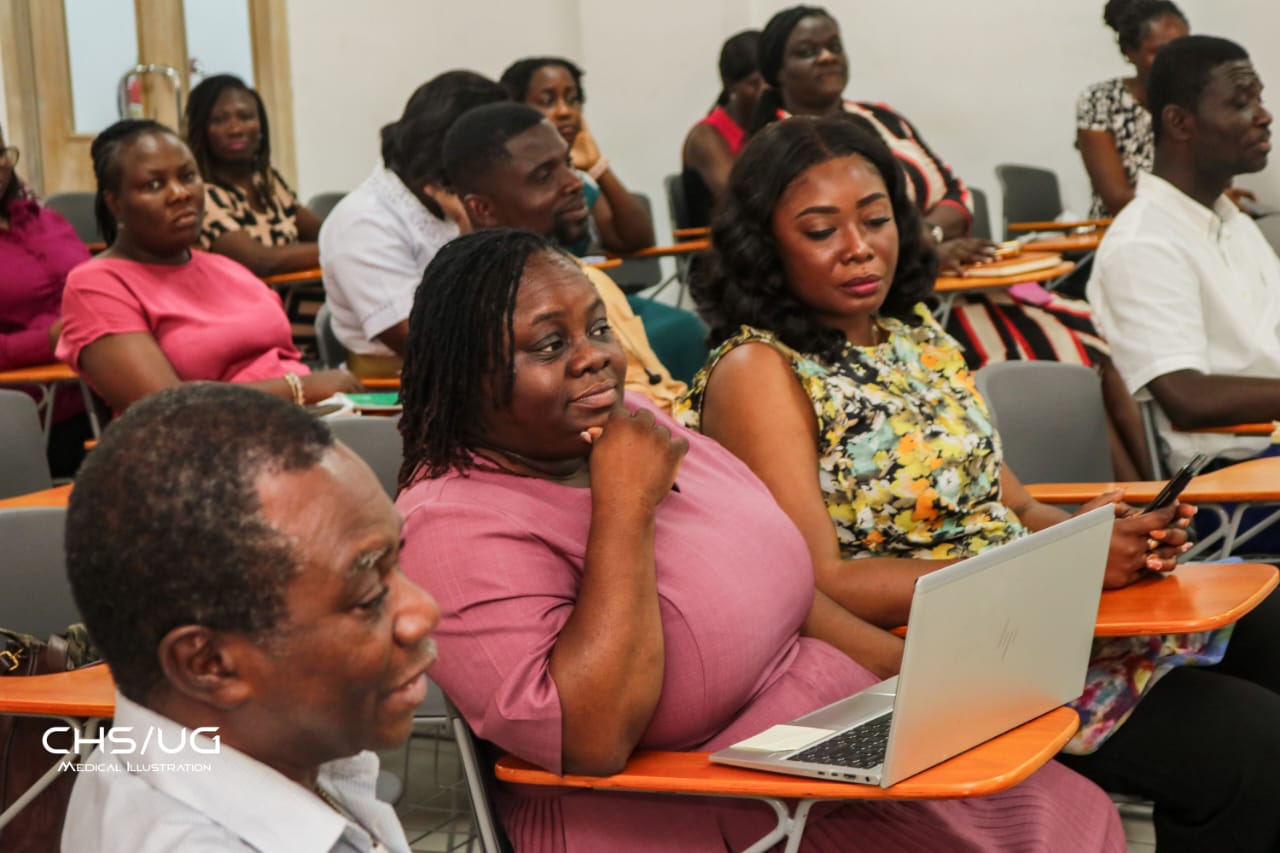
Prof Ohene, a consultant psychiatrist and former head of the department, described a system in which many patients present to hospital late, frequently after first seeking help from faith healers. He also touched on access to medication, the Mental Health Act of 2012 and existing national policy, notably the maternal mental health policy. Staff identified youth mental health, geriatric mental health, and addiction among children and young people, to screens as well as to substances, as research priorities and outlined the department's work with people with lived experience.
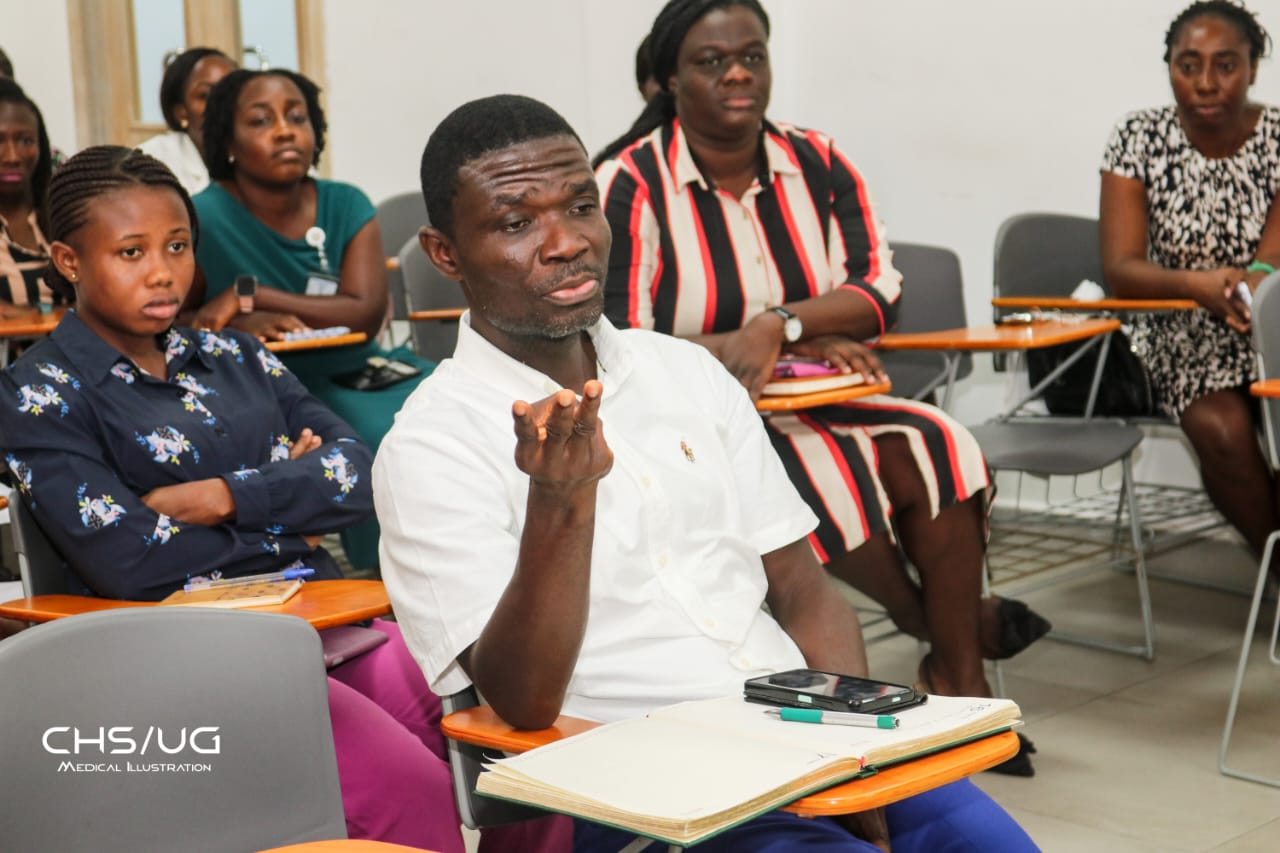
Dr Attah outlined the department’s research portfolio rooted in community priorities: mHealer (partnering with faith healers), Y-MIND Africa (depression in young people), Better Sleep, Better Health (sleep in adolescents) and HEATSCAPE-Africa (climate, heat and mental health), three of which are funded by Wellcome. The department also described its work and collaborations with partners in Zimbabwe, Uganda, Kenya and Burkina Faso, through which teams learn from one another, a model of African-led exchange that strengthens research across the continent. Dr Fiagbe described the structural constraints that trainees and specialists face in conducting research, notably the absence of dedicated funding for implementation research, which is needed to establish how effective treatments can be delivered at scale in routine care.
The programme included a tour of The Melody, the department's base, a courtesy call on Prof Alfred E. Yawson, provost of the University of Ghana's College of Health Sciences, and a visit to Korle Bu's Addictive Diseases Unit.
The discussions point to potential areas of collaboration between Wellcome and the University of Ghana in mental health research, specialist training, and partnerships that translate evidence into practice. Such work would align with Wellcome's emphasis on early intervention in mental health and with the university's strategic commitment to impactful research and international partnership.
During the courtesy call, Prof Yawson emphasized the need to build research capacity among mental health specialists in Ghana and beyond and expressed the College's willingness to work with Wellcome to develop courses and curricula towards that goal.
The College is committed to turning these conversations into a sustained partnership that trains Ghana’s next generation of mental health specialists and strengthens research led from Africa.